With affection, for Teacher Vĩnh Lạc – Mr. X
Thank you for still standing there, steadfast, fighting for the things you pursue. And truly, with your die-hard fans growing in number every day like this, you are hardly alone 🙂
Musings on difficult music – Opera
On Sunday, I attended a talk titled “The Element of Humor in Music,” organized by Saigon Classical Music. Lâm told me, “Make sure you come to Mr. X’s program.” I had read Mr. X’s writings and watched his lecture videos. Poetic language, and old-world, exactly the style I like. That sweet, distinctive northern accent of the 1954 migrants, that endearing long-windedness in his words… Mr. X – Teacher Vĩnh Lạc – is exacting yet easy to be around. Read what he writes, watch the videos he makes, and you see it at once. Like the song Dạ-Hương Thiên-Lý, his lyrics to “Memory” – from Andrew Lloyd Webber’s musical CATS: as you listen-read-sing, you feel something humming inside you.
I like what the Saigon Classical Music group is doing, which is bringing classical music closer to everyone. I don’t think people simply come to love music on their own. Just as no one comes to love a scent out of the blue. Every art in this world touches people only when it awakens a sense of resonance. Without that, it is bare, alien, and condescending.
Few Vietnamese, I think, naturally take to that soaring, “trilling” art form. The impossibly high notes, the foreign languages, those mannered Western suits, those stage and orchestra lights – how many of us grew up with them? I was no exception, until I came to know a friend named Riku while I was in Japan. Riku is a young opera artist (born in 1988), the first Japanese to win first prize at an international opera competition in 2017, right in its classic cradle – Italy. I went to hear Riku sing several times in Miyagi and Tokyo, and was moved every time. Riku loves singing, loves doing volunteer work in Vietnam, loves Vietnamese food. He hoped to become an artist who contributes to Japanese music, and also wanted to become a music lecturer, to pass opera on to young people the right way. And now it is no longer just a dream: last winter he told me he had started teaching opera at a university in Yokohama after returning from the UK. As for me, inspired by him, I have also come to feel opera is a little closer to me.
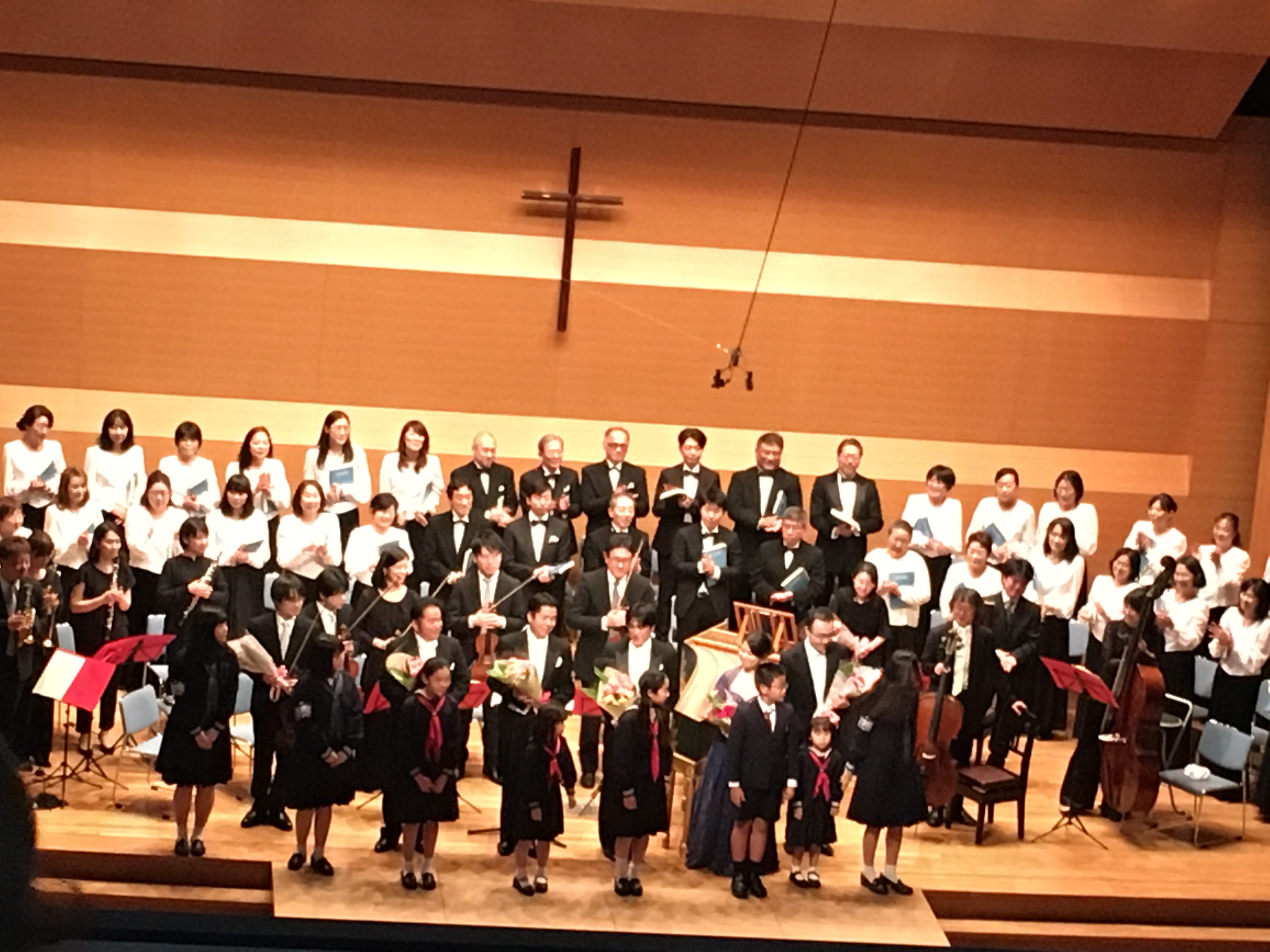
Western music doesn’t just come out of nowhere. It arrives with history, with stories, and with fashion, too. Mozart’s music is bound up with the story of a child prodigy and a noble soul longing to reform music; Beethoven, with ears that had lost their hearing, kept on writing works of absolute precision in pitch and rhythm until the end of his life. Western music carries with it swirling dances, eye-catching European attire, histories, a powdered and perfumed Queen Marie Antoinette, and the upper class – the ruthless rich.
Art does not walk alone; art cannot be separated from the people.
Take The marriage of Figaro, which Teacher Vĩnh Lạc talked about. It is a classic opera Mozart wrote to attack the extravagance and vanity of the rich, and its climax falls on the scene where Figaro, his blood boiling, wants revenge on the swaggering count who dares to scheme to steal his beautiful wife. He is furious; he curses up a storm. Bringing the flea market, the crudeness of real life, into “classy” music – does that happen? Sure it does.
A classy opera with a commoner’s plot is fine, but carrying that opera over into a language deemed not yet classy seems hard.
Just like Teacher X bringing poetry to several opera scenes and rendering them all into Vietnamese. Honestly, if he got the support to press on while he’s ahead, he would translate them all. Read them just for fun and you’d be startled.
I also see that many people who come to classical music sometimes do so not because they love it. What they love more, perhaps, is the scene of choosing which dress suits the concert, which jewelry, which designer bag, which shoes. Often they don’t even care whose music is played that night, and sitting there listening, they endure it miserably because they find it… dreadfully boring. But they’re also… too embarrassed to leave!
It’s like buying perfume: often it just has to be really, really expensive, really, really unique. Never mind which notes suit what; whatever people hunt for, whatever is rare, they buy. Is collecting perfume, too, a way of displaying class and refinement? There are people who understand and cherish the art of olfaction, but those who borrow scent to show off their appearance or status are, I think, many as well.
Well, it’s not like anyone forbids it.
I’m rambling 🙂
And now, back to Bolero.
Bolero was born of the guileless, plink-and-strum, free-spirited amateur soul of the people of the South. Bolero is music that takes to the streets. A few little stools, a guitar, a few chopsticks clinking on bowls, and there you have Bolero.
Bolero, like Southerners, has no pretensions. The music is plenty romantic, mind you, but happy songs and sad songs alike have to be a little mopey and droopy, lovesick and pensive, tossing the hair a little slower, blinking a little slower, before they can become Bolero, you know. Too cheerful, too bright? Bye, buddy, move along. I think of my dad: every morning when I woke up I’d see him light a cigarette, tapping along to each tune. Tobacco is such a rich note, yet that cigarette smoke, I hated it terribly. Dad was always afraid his daughter would smell the smoke, so he’d go all the way out to the back of the house and sit by himself. Bolero, with cigarette smoke on early mornings when I was little, is a memory I can’t quite call dear or unpleasant. Loving Dad, hating the smell of smoke. Such a contradiction.
Bolero was born on the streets and lingers in every home, every cassette player, every tape you’d wind by hand until you were worn out before one song was through, every notebook of hand-copied songs, every corner of memory of so many people.
Is Bolero classy?
Huh? So what if it was born on the streets – why on earth would that make it not classy?
Art cannot make anyone classier.
There is no classy art, no lowly art.
There is only good art, and bad art.
Teacher Vĩnh Lạc
San, my young assistant, is a die-hard Bolero fan. A biochemistry person, terribly good-natured and sweet, she likes Bolero and adores the singer Hương Tràm. She tells me that every time she goes to karaoke and sings Bolero, all her friends laugh. “I think Bolero is really good.” Yes, exactly – like scents, or colors, each person loves music in their own very particular way. You love Bolero because you grew up within that music; it gives you a sense of familiarity. And the spirit of Bolero is warm-hearted and approachable, just like you. If San liked EDM, now that would be strange!
If Music has its lows and highs, then Scent, too, has its highs and lows.
Scent, kin to so many other arts in life, has its prelude (top notes), its climax (heart notes/ middle notes), and its ending (dry down/ base notes). Technically, there is really no such thing as top, middle, or base; perfumers usually work with materials based on properties such as the weight/ volatility… of the odorant constituents, rather than on that perfume pyramid composed with the marketing department. But looking back, it is true that with the perfume pyramid we can picture, in the most easily perceptible way, how a piece of scent-music will be played as it melds with the skin.
You know, some people like a composition that is deep, many-layered, and elaborate, like a classical symphony. Others prefer a solo for guitar, piano, flute… much like single-note perfumes. Vero Profumo creates densely layered, complex scents; Jo Malone aims for an unhurried simplicity, like sunlight over the English countryside. Each school of composition, each philosophy of scent, is honored by works that are beautiful, and well-rounded. Who says a simple scent must be simple to craft? Pomegranate Noir by Jo Malone is considered one of the most technically demanding fragrances to make.
To create simple things is very complicated.
In my scent talks, I often share about the relationship between the senses: hearing, smell, taste, sight, touch. It is the interplay of the five senses. Hearing musical notes, thinking of scent notes, or of color palettes… all lead us to precious experiences.
Understand music, understand scent, and you will feel the strings of emotion vibrate in a different way.
Listening to music I like, wearing a scent I love, I find I love my moments alone even more.
A beautiful scent, discreet, bothering no one, is sometimes like putting on headphones and letting your mind chase thoughts as they drift silently by. Just leave it there, worn-in-peace.
Tonight, wearing Sandalwood Sacré, listening to Dạ-hương Thiên-lý, thinking my own thoughts 🙂
Sài gòn, August 28, 2019