Scent, beyond the songs of joy people so often sing in its praise, also holds unexplored depths of quiet calm.
Today, I’m talking about hương bài – vetiver.
Vetiver is my favorite material on the perfume palette, partly because the plant itself never fails to surprise people. When I was in Japan, I even hunted down vetiver tea to drink, so fragrant and sweet. Its taste stayed with me through the winter months. Sometimes I brewed butterfly pea tea and vetiver together, delighting in the tea shimmering with the flower’s purple glow, its soft herbal taste resting on a woody base.

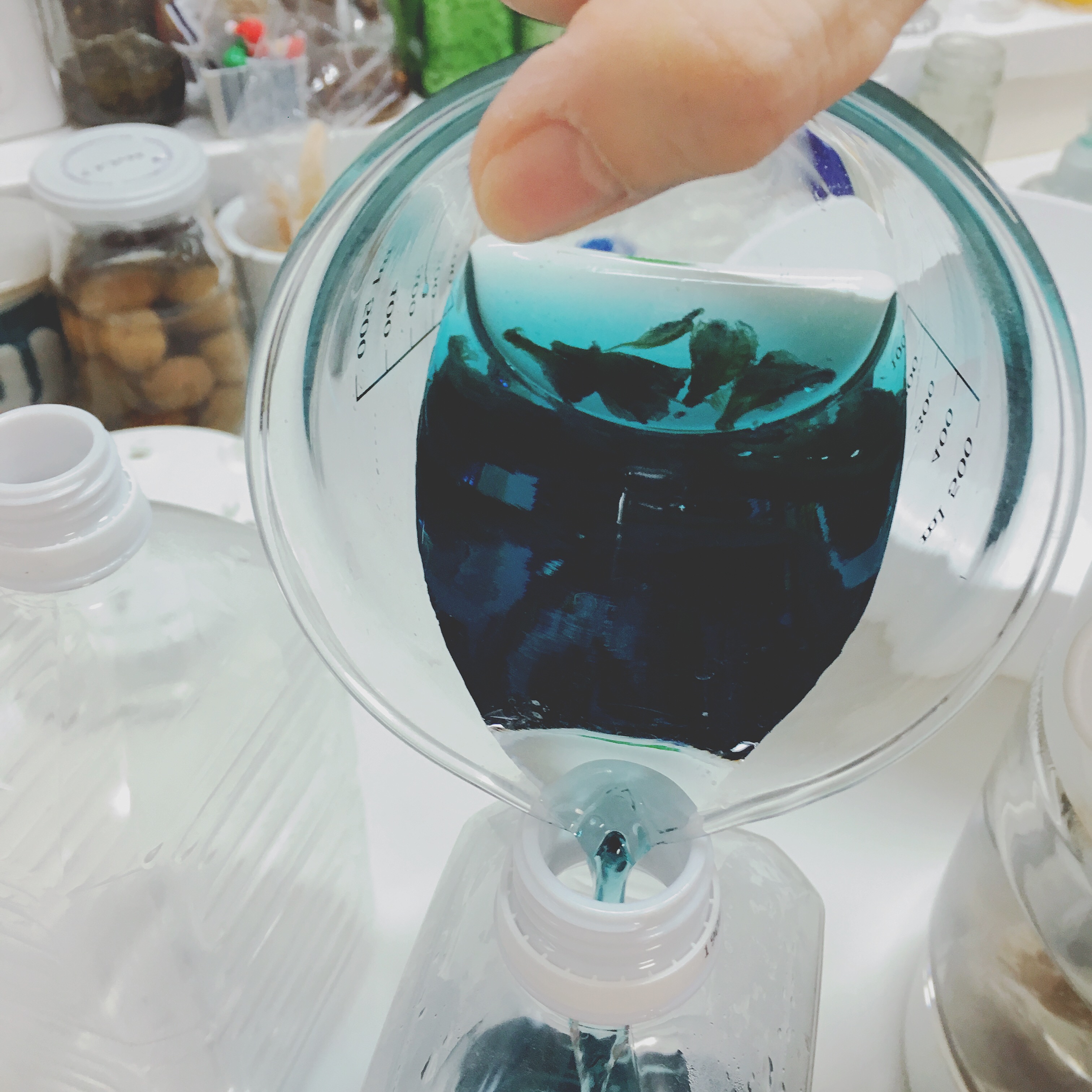
My vetiver-and-butterfly-pea tea
Speaking of vetiver grass, one has to mention its remarkable roots. They can grow deep into the earth (vetiver roots can reach 3 meters after one year), tough and sturdy. Vetiver is usually harvested after at least one year of cultivation. Because it holds the soil, prevents erosion, and keeps weeds at bay, vetiver is considered a useful plant for soil improvement and intercropping. Easy to grow, naturally resistant to pests and disease, able to give high yields … all of this makes vetiver a rather favored plant. In Vietnam, vetiver is also grown in many hilly and sandy areas of Huế. Freshly harvested raw vetiver sells for around 4,000 VND per kilo. The scent of vetiver has also been bound up with Vietnamese incense since long ago. Many families still keep the tradition of growing vetiver and blending it into the scent of their hometown incense. I haven’t had the chance to try it yet, but it must be a beautiful scent of Vietnam.
Contrary to what many people believe, the scent of vetiver does not lie in the green stems and leaves above ground, but in the roots sleeping quietly in the earth. The essential oil silently takes shape and hides itself along the core of those roots.
At harvest, the vetiver roots are cut away from the stems and leaves above, washed clean of soil, then cut shorter once more so that they dry more efficiently. The roots are then dried in the shade for 1–2 days before being distilled. The drying stage is especially important, because drying them in direct sunlight affects the yield of essential oil. Vetiver essential oil is commonly obtained through steam distillation.

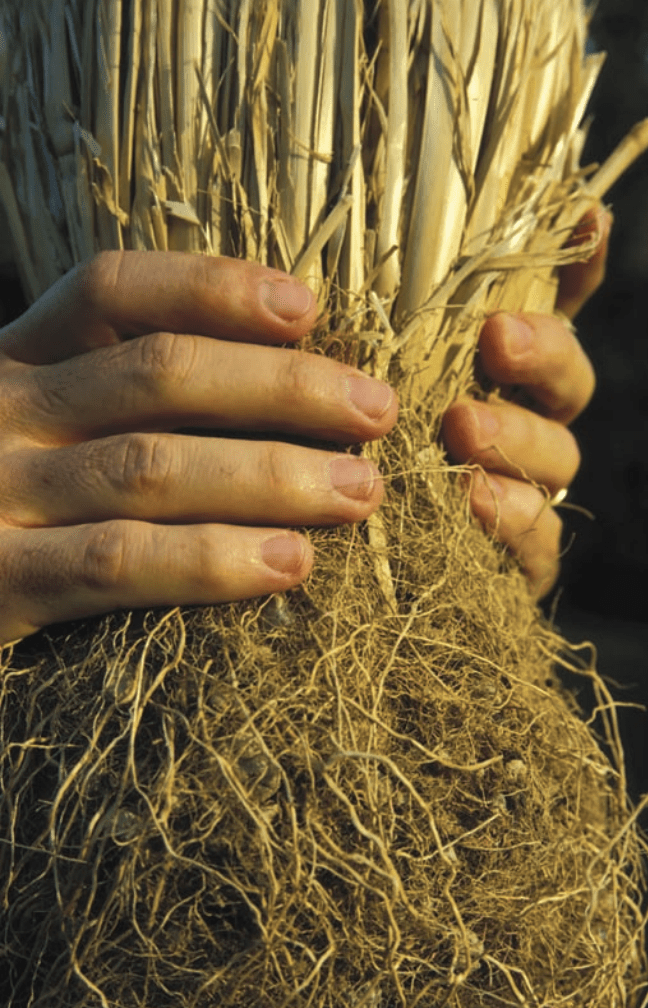
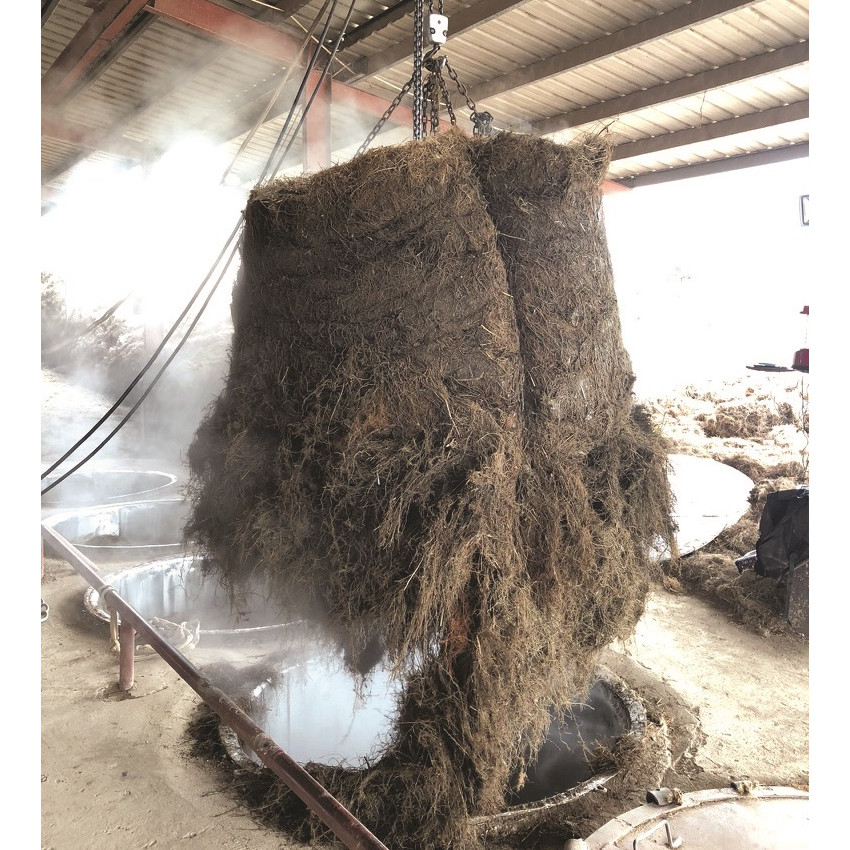
On the scent of vetiver grass.
It is called a “grass” – yet this material has no herbal facet. Its scent belongs to the woody family.
In perfumery, two main types of vetiver are commonly used.
- Vetiver Haiti: Characterized by a clean, lightly sweet vetiver note, slightly green at the tip of the nose. Haiti is a peninsula in South America, said to be the home of the finest vetiver and the origin of more than 50% of the world’s vetiver production (Vetiveria zizanioides). Much of the work of the people on this peninsula is growing and harvesting vetiver for the fragrance industry. Vetiver Haiti is used quite widely in renowned fine fragrances. The scent of Vetiver Haiti is considered mellower and more multi-faceted than vetiver harvested in Indonesia or India.
- Vetiver Java: smokier, denser – the most famous being vetiver from Indonesia. Personally, I find Vetiver Java more unpretentious and … farmer-like than Vetiver Haiti, but it still has a beauty of its own. I rarely use this material as the main base of a perfume; more often, it lends a misty touch of smoke to make a composition more distinctive. Smoky notes, of all things, I don’t dare overuse.
After sandalwood and cedarwood, vetiver is perhaps also among the “heavenly kings” most favored by perfumers. With each creation, a different facet of vetiver is explored. Lately, if I had to name the modern vetiver scent that has lingered with me most, it would have to be Vetiver Extraordinaire by Frederic Malle.
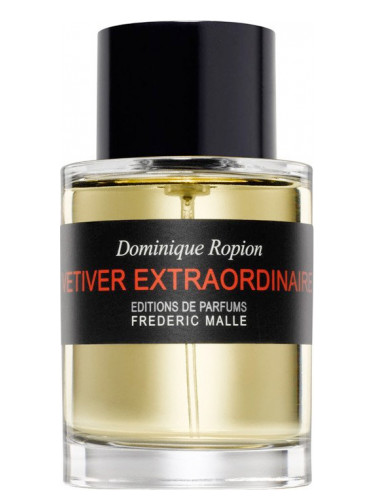
Wood, spice. Yet so very gentle.
Many people say this is a very masculine scent. I’m not so sure. I don’t like choosing scents by gender, nor do I encourage you to; I would rather go by personality. As I write this, I am wearing Vetiver Extraordinaire in a room with the air conditioner set to 26 degrees; looking out the window, I see the Sài Gòn afternoon sun slackening onto the balcony, slipping in to tease the dangling tangle of cables, already a hideous mess, into striped shadows printed on the floor, a truly comical sight. Woody-spicy scents are not usually favored in hot weather, but in these days of “quarantine,” they too have become an exception.
Vetiver Extraordinaire was composed by perfumer Dominique Ropion. He is also the nose behind “Carnal Flower,” with its breathtaking tuberose note, and “Portrait of a Lady,” with its spellbinding rose and patchouli. In this Vetiver, the vetiver note is seamlessly blended with sandalwood, cedar, myrrh resin, and musk. Speaking of the pairing of musk and vetiver, people still remember and cherish Encre Noir – the black-ink scent for men – on a gorgeous vetiver base by perfumer Nathalie Lorson. In Vetiver Extraordinaire, I see the wearer’s character drawn very clearly. Straightforward, sincere, but-alluring-with-nothing-to-hide. This is not a scent for those who like to hide themselves. Vetiver carries an inner strength and is known as the “fragrance of the soil” – the scent of the earth. Earth is steady, somewhat content with its lot, yet warm and easy to trust. The resin brings a touch of religious color to the composition; in the hazy drift of incense smoke, I still see, in a corner, the stooped figure of someone kneeling, hands resting on a church pew. In prayer.
I don’t wear vetiver in my happier moments. Nor is it a scent for changing my mood. I choose vetiver when I want to talk with myself, or rather, when I want to reassure myself. I was born under the Earth element; I believe in the steadiness of the earth. At peace like the earth, steady like the earth, firm and soft like the earth. Vetiver, held whole and nurtured by the earth, has naturally become a material I especially love.
I’ll let my mind drift in vetiver for another week or so. Who knows, when the city comes out of quarantine and all the bright, cheerful feelings come flooding back, I may leave the ground again and leap about with new creations. But for now, O wood and spice, my sense of smell is still your “slave.” Let’s keep getting to know each other!
Saigon, April 21, Year 1 of Covid – 19
Rei