I remember the first time I watched a clip about Yayoi Kusama, an icon of contemporary Japanese art; I was 24 at the time.
It was the first time I warmed to that perfectly round pattern, something I had always seen as very *Hannah Montana* until then (Pop it, hop it, polka dot it… OMG). Polka dots made me think of loud, childish clothes and knick-knacks. They even reminded me of the time I came down with dengue fever after my university entrance exam. My whole body was a basketful of polka dots, ugly and miserable.
In short, I hated polka dots.
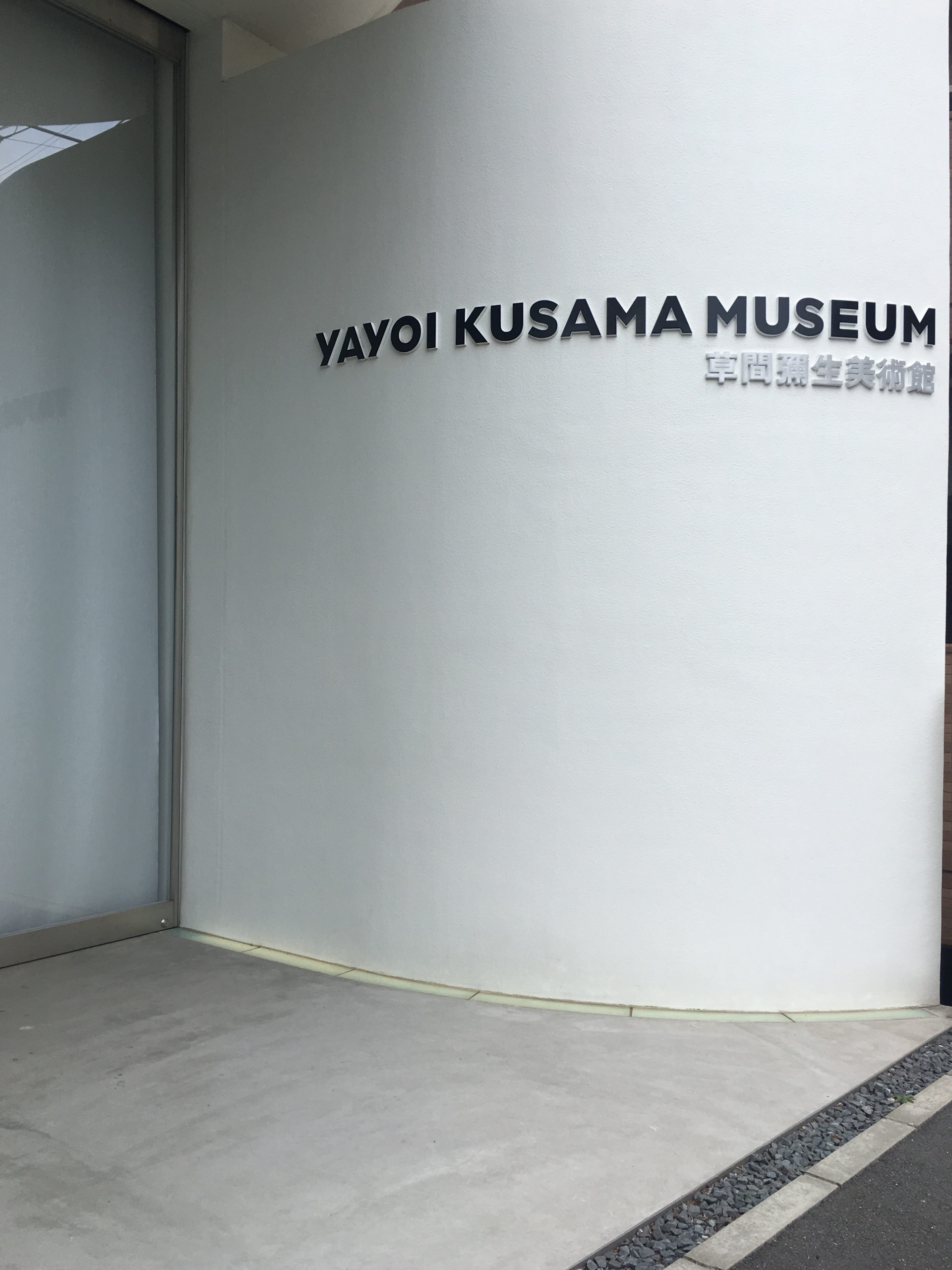
Three years later, there I was, restlessly checking Kusama’s website over and over, booking tickets a full four months ahead to get 90 minutes inside the exhibition of her paintings in Tokyo. My session was at 2PM on Friday, July 13, 2018, under the scorching sun of the Japanese summer. I didn’t come because I was crazy about polka dots; I came simply because I wanted to get closer to her art.
Yayoi Kusama was born in 1929 in the city of Matsumoto, Nagano, into a distinguished family. An artistic inclination was kindled in her heart from childhood, and it showed itself through round polka dots. She has painted polka dots for a very long time – as she puts it, they “just pour out on their own.” Her family disapproved of Yayoi pursuing art and wanted her to marry someone of equal social standing, just as they had forced her older sister to do. Yayoi reacted fiercely to this, and she showed it by painting day and night. As the story goes, her mother angrily threw all her paint boxes and said, “If you want to paint, then get out of the house.”
And so, the small girl sought a way to break free and reach a land of freedom, where life at last brought her to America.
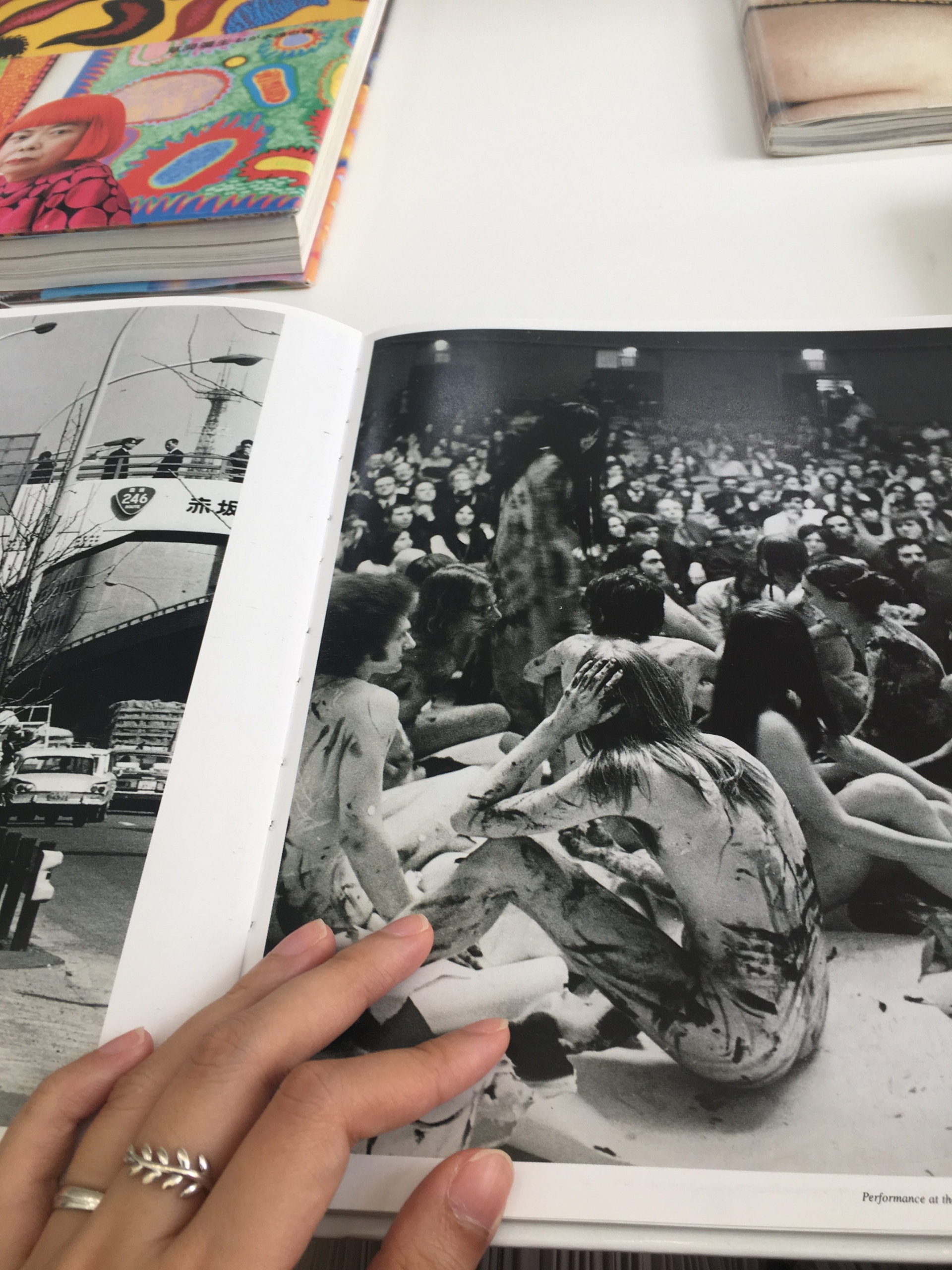
From 1957 to 1973, Yayoi Kusama lived and made art in New York. The cradle of contemporary art gave Yayoi wings to carry out her bold ideas, unlike anyone else’s. Through round metal balls, strange cotton pieces said to be *penises*, and experimental art in an elevator, Yayoi expressed her feelings about freedom, peace, rebellion, sex.
And, impossible to leave out: the love of, and for, pumpkins.
In the Yayoi museum, each visitor has a mere two minutes in the dark room where Yayoi’s “spotted pumpkins” are displayed. The mirror room has always been a highlight of Yayoi’s work; there, depending on the angle and position of viewers inside the mirrored room, their whole experience of the art changes too. In the pumpkin room, on Friday, July 13, I stood facing the pumpkins head-on, gazing at them growing smaller and smaller, glittering in that mysterious world. At that moment, a very funny thought came to me: I was like a little green beetle that had flown into a pumpkin garden. The pumpkins were so pretty; the beetle flew around for two minutes, then went home :>
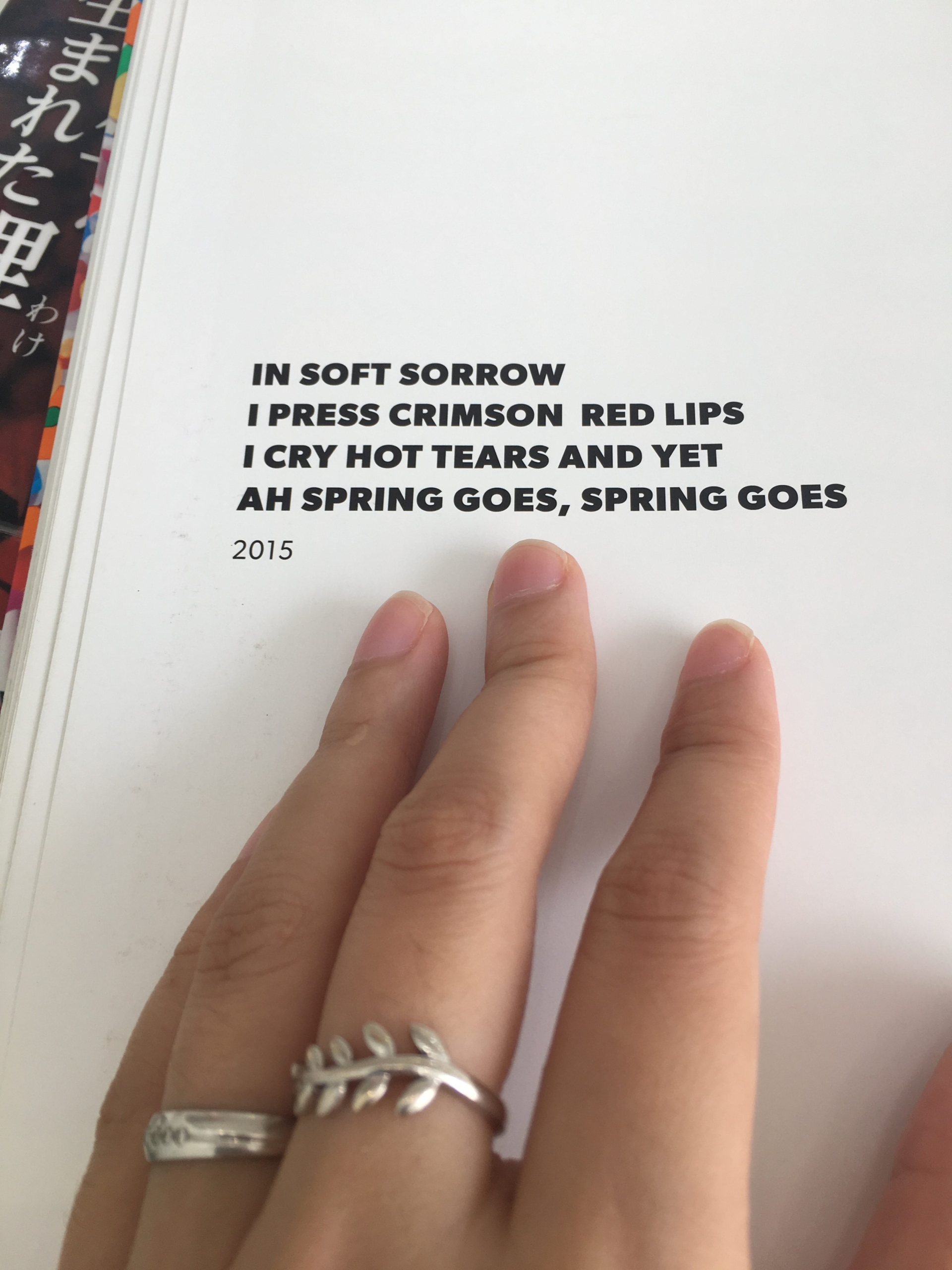
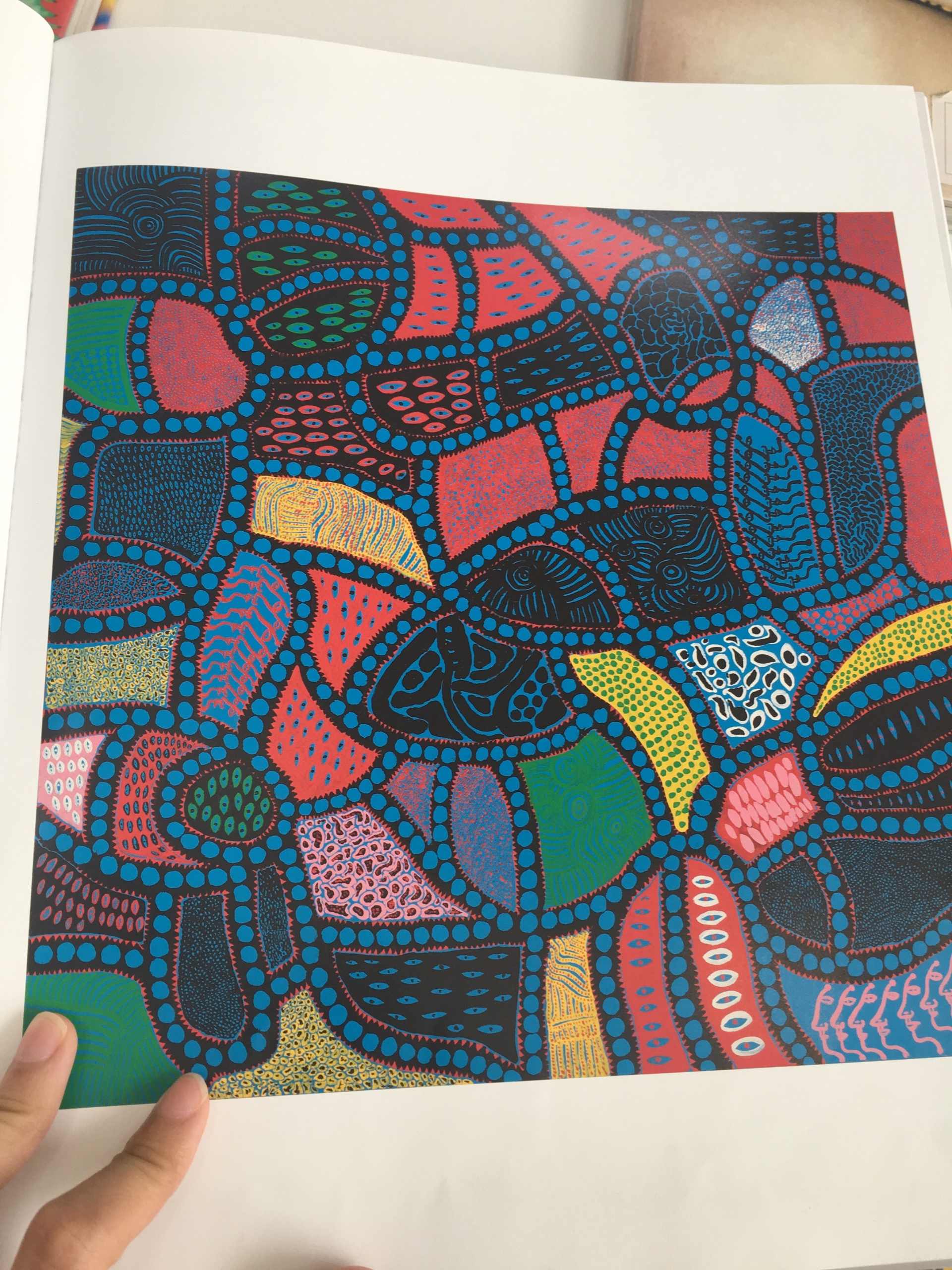
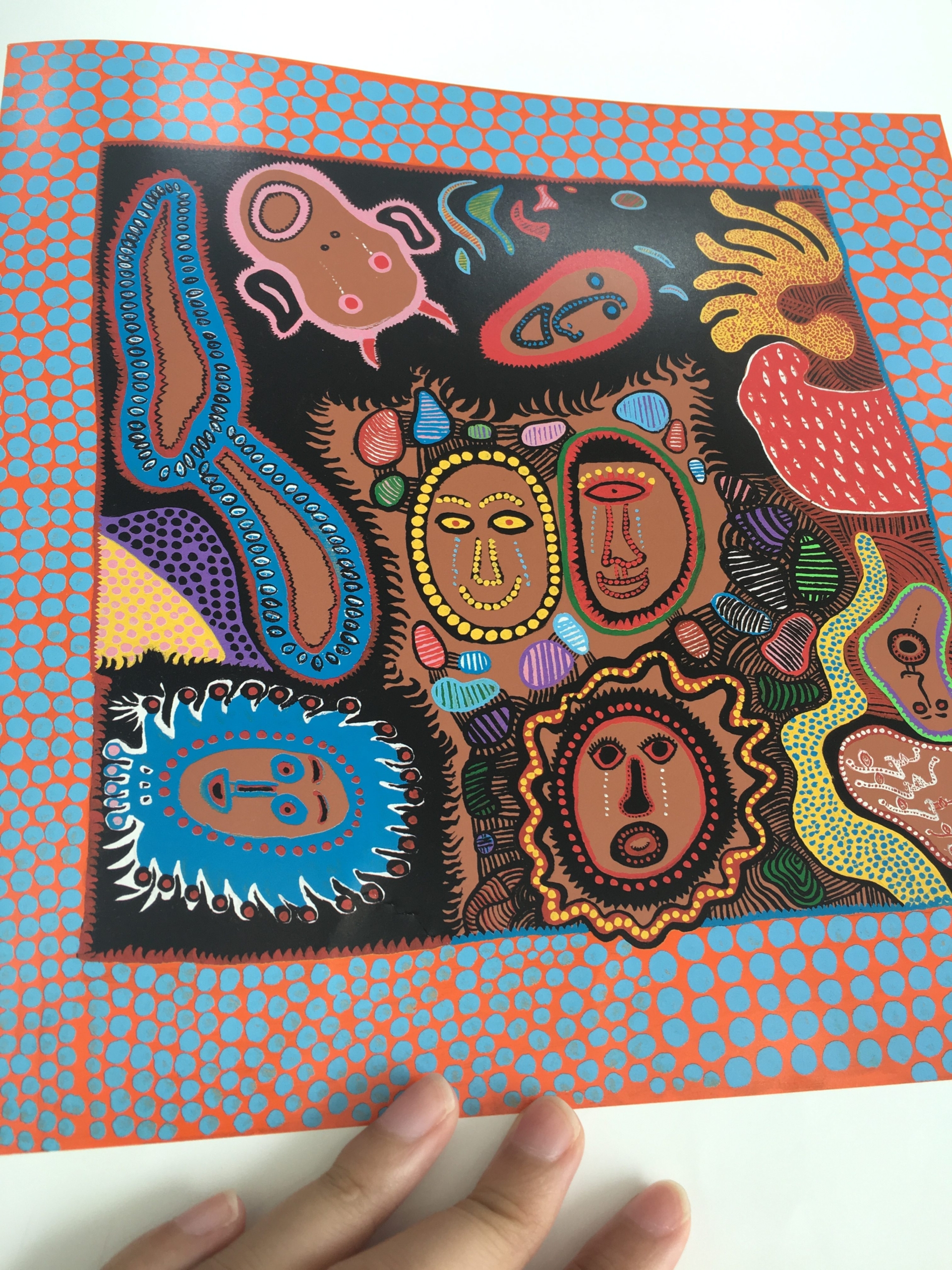
I came to realize that art is only beautiful when there is love. Above all, I sense that Yayoi loves this life so very much. Each painting is a jumble of fragments from her subconscious, torn between life and death. Yayoi has many paintings about death – how she imagines the realm of the dead, and how she herself will die. In one painting there are a thousand half-closed eyes, and little Yayoi stays pensive, silent. Yayoi broke away from her family; between her and her mother there remained so much hatred. Never in harmony. But I believe she loved her parents dearly. Love drifts through Yayoi’s paintings. People say that if she didn’t paint, she would go mad. Because her thoughts, her polka dots, have to appear on paper. And her love, along with her longing to serve peace through her art, simply rests within the frame. The little girl Yayoi inside her is still there, painstakingly making round dots. And Yayoi has no craving for vain glamour; she remains a phenomenon of contemporary art, and of the fashion industry as well.
I asked myself how, in my own art, to keep the passion from ever running dry, so that the scents I make never become “cliche,” so that they are beautiful and steeped in love, like the feeling I get from her.
Since 1977, Yayoi has been back in Japan. She lives and works in a studio near a hospital in Tokyo, where doctors can take good care of her mental health. Yayoi still works, still paints tirelessly.
When I paint, the whole world seems to disappear; I see only myself and my painting… I don’t try to work polka dots into it…but it becomes that way on its own… could that be the very shape of my illness…?
After all… the moon is a polka dot, the sun is a polka dot, and the earth we are living in is also a polka dot. And also you can find them in a form of the eternally mysterious cosmos, too.
You can learn more about Yayoi Kusama in the video below:
Wako, July 17, 2018
Rei Nguyen